
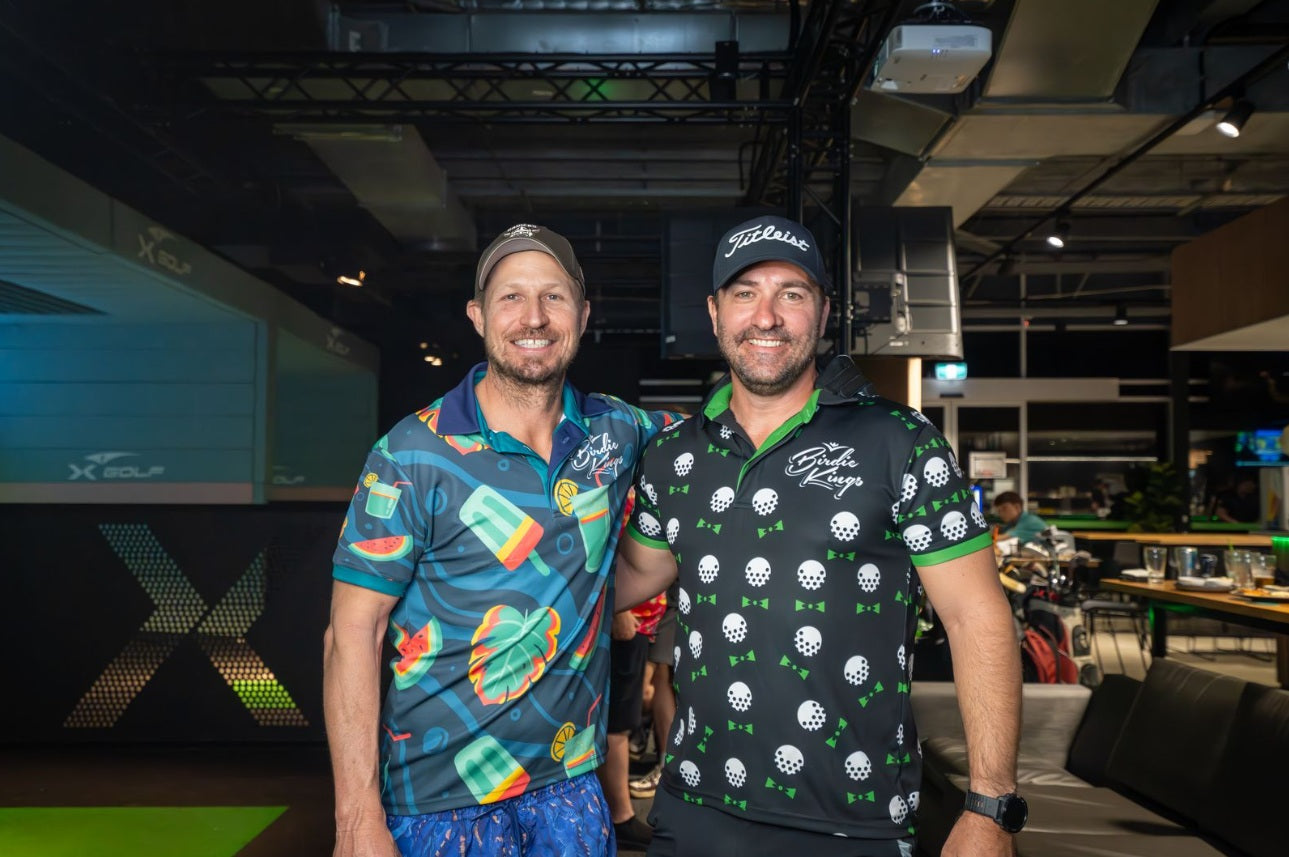
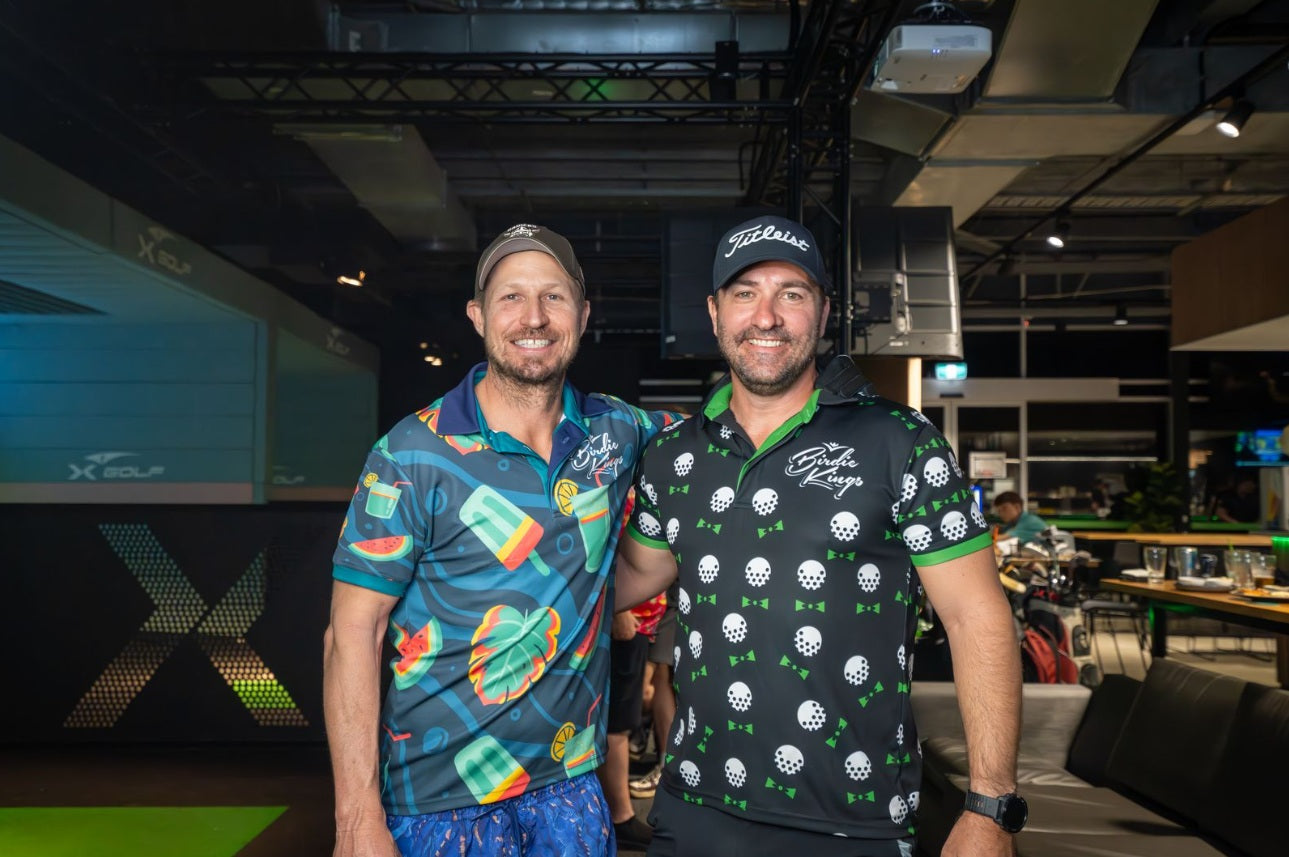
Colour bleeding or transfer on custom golf polos is the kind of problem that ruins not just your outfit, but sometimes your entire round. Whether it’s patches of your polo smudging onto your shorts or your once-crisp design fading after a few washes, it can be frustrating. You expect the colours you chose to stay sharp and defined, but instead, they mix, fade, or transfer in ways you didn’t plan for.
This kind of problem shows up more often than you'd think, especially with activewear that’s exposed to the sun, sweat, and frequent washing. Golfers who play regularly—and particularly in warmer or humid climates—come across this more often because of how frequently their polos are put to the test. The good news is, with a bit of know-how, most of these issues can be prevented. By understanding what causes colour transfer and how to deal with it, you can avoid unwanted surprises and keep your polos looking fresh.
Understanding The Causes Of Colour Transfer
Colour transfer usually comes down to the type of fabric, the quality of the dye, and how often the garment gets exposed to sweat, sunlight, friction, or moisture. Fabrics like cotton absorb dye easily, which gives vibrant colour but doesn’t always hold steady over time. On the other hand, synthetic blends like polyester don't take on as much dye, but if the dye isn’t properly fixed during production, it can still bleed under pressure.
Australia’s climate plays a role too. Long, sunny days can cause weaker dyes to break down faster. Add sweat from summer heat and moisture from humidity, and you’ve got conditions ripe for colour transfer. Even something as simple as the collar rubbing against the shirt shoulders can cause the colour to bleed if the dye hasn't bonded properly to the fabric.
Here are some things that make colour transfer more likely:
- Use of low-quality or non-colourfast dyes
- High humidity or frequent sweating, especially under the arms or along the back
- Friction between layers like when a golf bag rubs across one shoulder repeatedly
- Storing polos in hot environments like a car boot
- Washing light and dark-coloured clothes together
The signs might not appear after the first or second wear, but over time, repeated use and exposure build up and make the issue more obvious. That’s why it helps to start with good materials from the get-go.
Choosing Quality Materials And Dyes
When it comes to custom golf polos, many people focus only on how the design looks. While that’s important, what lies beneath the design—the fabric choice and dye process—makes or breaks how long the garment holds up.
If you’re ordering custom or ready-made pieces, try to choose synthetic blends like polyester or poly-cotton with moisture-wicking threads. These lock in colour more effectively and stand up to the wear and tear of regular golfing. Heavier cottons feel soft but may bleed more easily unless pre-treated to lock in colour.
Pay attention to the dye process too. Look for descriptions like reactive dye, pigment dye, or solution dyed. These terms indicate strong bonding between the dye and the fabric, which reduces the chance of bleeding or fading. The stronger the bond, the less chance that colour will seep out when it meets water, heat, or friction.
Some helpful tips when choosing a custom golf polo include:
- Look for tags or product details mentioning colourfastness or fade-resistance
- Run your hand over the fabric—tightly woven or treated fabrics feel smooth without a chalky layer
- Be wary of a glossy or sticky feel, which sometimes signals lower-grade surface colours
- Ask how designs are applied—there’s a difference between true fabric dye and printed graphics
- If buying for a group or team, test one sample polo first before placing a large order
One customer told us their team switched to polos treated with colour-locked dyes after earlier shirts faded badly by the third game. The new ones stayed bold, even under the summer sun and after weekly washes. Picking good quality from the start can save a lot of hassle later.
Proper Washing And Care Techniques
Even a top-quality custom polo can run or fade if it's not looked after properly. Washing plays a big part in how your gear holds up over time. A few small changes to your routine can make your polos last a whole lot longer.
First, always turn your polo inside out before washing. This helps protect the printed or coloured outer layer and cuts down on friction with other items in the load. Stick to cold water and choose a gentle washing cycle. Cold water helps preserve the dye while also being easier on the fabric. Use a mild detergent with no bleach or brightening agents.
When it comes to drying, skip the high heat. That’s the fastest way to lock in any dye that’s already started bleeding and cause further transfer. Air drying is best. Hang your polo in the shade where there’s airflow but no direct sunlight to fade the fabric. If you must use a dryer, go for the lowest heat setting possible.
Here’s a quick checklist covering polo care basics:
- Wash in cold water on a gentle cycle
- Use detergent that’s safe for coloured clothing
- Turn the garment inside out before throwing it in the machine
- Always separate dark and light colours
- Stay away from fabric softeners or bleach
- Hang in the shade to air dry or tumble on low heat if necessary
Also, avoid letting your polo sit in a gym bag or on the car seat after a round. Moisture trapped in tight spaces encourages dye to move around and leaves sweat marks harder to deal with later. Get your garment washed as soon as you can after wearing.
Fixing Existing Colour Transfer
If you're already dealing with some colour bleed or transfer marks, there’s still a chance to fix it—especially if it just happened recently. The fresher the stain, the better the odds.
First and most important: don’t toss it in the dryer. Heat locks stray dye in and makes it much harder to remove. Start by soaking the shirt in cold water mixed with a gentle detergent designed for coloured clothing. Let it sit for 30 to 60 minutes. Then wash on a cold cycle and air dry in the shade.
That usually does the trick with light smudges. If not, or if the stain is heavier and affects the fabric feel, it’s better to get it cleaned professionally. Avoid experimenting with stain removers or harsh solutions. These can mess with the fabric and make the design look patchy or discoloured.
In some situations, the transfer can impact more than just the look. If dye collects in places like the underarms or seams, it can harden the fabric and cause discomfort during wear. Once that happens, the fabric may not feel as soft or breathable anymore. If the shirt becomes stiff or loses its shape even after washing, sometimes replacing it is the better call.
Keep Your Custom Golf Polo Fresh and Vibrant
Colour transfer issues are annoying, but they’re not something you have to deal with often if you make smart choices from the start. Pick high-quality fabrics with strong dye processes, wash and dry your polos correctly, and act fast if you notice any problems. These simple habits mean your custom designs will stay sharp and hold up round after round.
With warm weather stretching through December and into the summer in Australia, your gear is going to get more use and see more sun. That’s why it helps to prepare now. Invest in polos that are designed to handle this kind of wear and treat them with the care they need. Keeping your custom golf wardrobe in good shape doesn’t take too much effort—but it keeps you looking your best on the course.
If you're ready to upgrade your golf gear and steer clear of colour transfer problems, check out the custom golf polo collection from Birdie Kings. You'll find bold designs that stay bright and comfortable, even after long days under the sun and repeat washes.